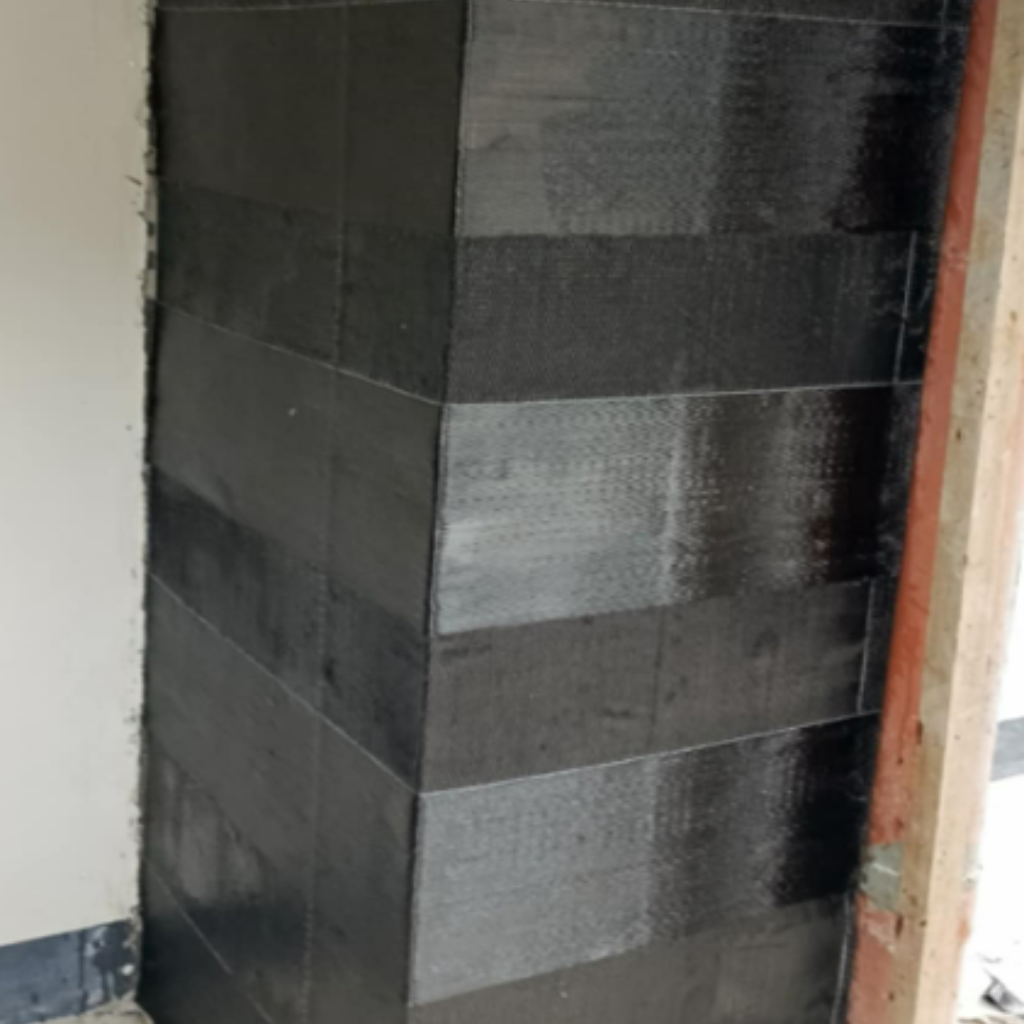
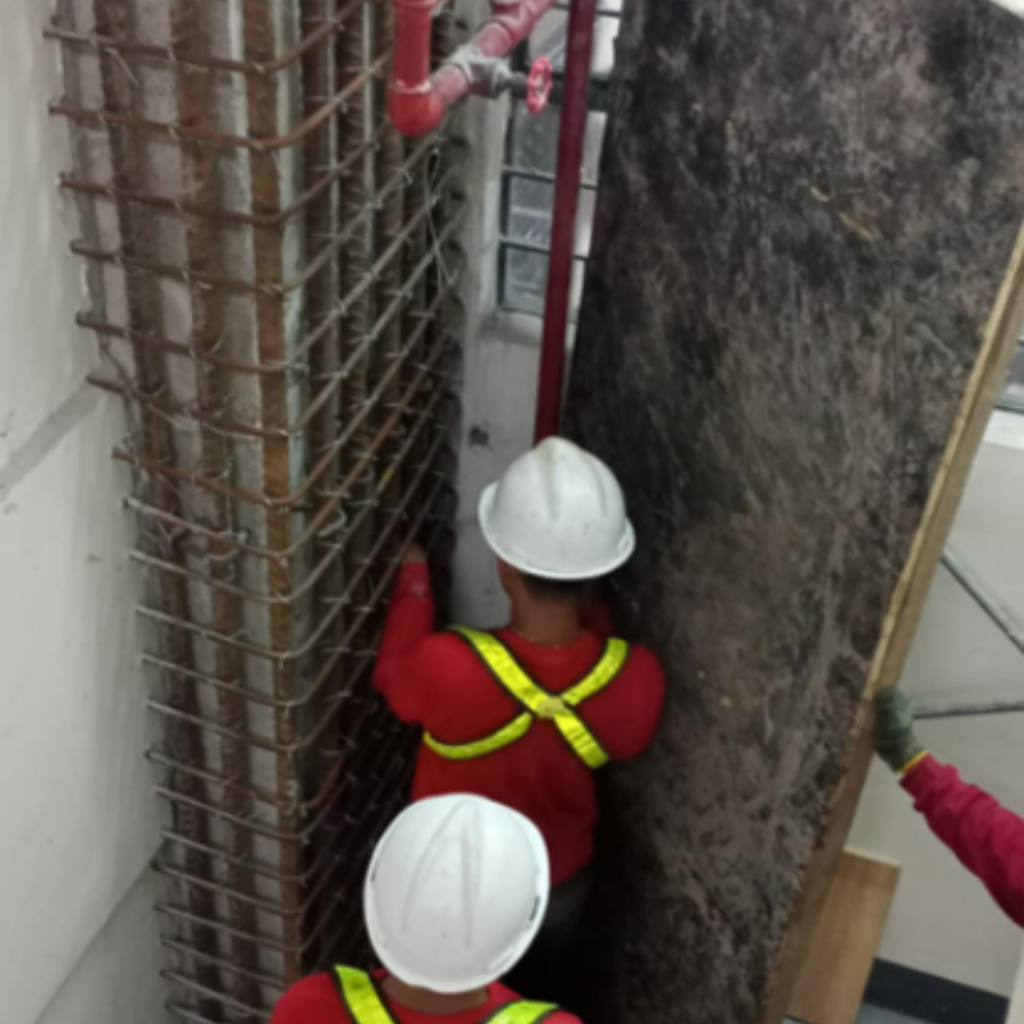
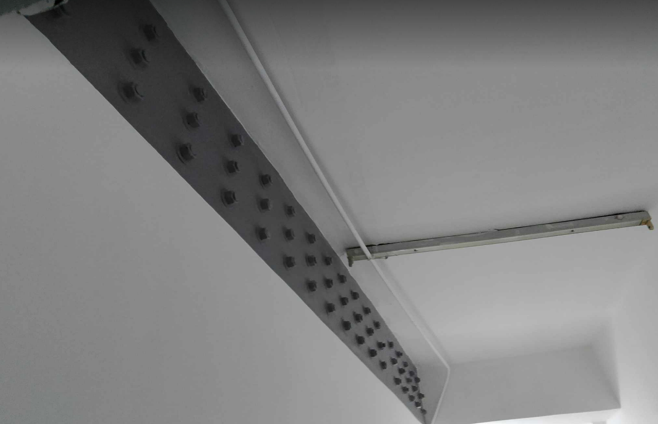
Global retrofitting techniques, also known as system improvement methods, involve modifying or upgrading the entire structural system rather than strengthening individual elements. These techniques enhance the overall stability, load resistance, and seismic performance of a building by introducing new structural elements such as shear walls, cross bracings, base isolators, and damping systems. Unlike local retrofitting, which focuses on specific beams, columns, or joints, global retrofitting improves the overall behavior of the structure as a whole, ensuring better performance under extreme loads such as earthquakes, high winds, or heavy occupancy.
Unlike global retrofitting, which improves the entire structural system, local retrofitting techniques focus on strengthening individual structural elements such as beams, columns, slabs, walls, and foundations. These methods are used when specific components are weak, damaged, or need to carry higher loads without modifying the whole structure.